

From design and engineering to testing, manufacturing, and fulfillment management, TransPak offers end-to-end expertise in export packaging to ensure your products arrive safely wherever they need to go. Our export packaging experts have a thorough understanding of international export regulations and successfully clear thousands of ISPM-15 certified crates at ports around the world.
Even the most sensitive equipment and components are shielded from environmental damage during global transit with our anti-corrosion packaging and vapor barriers. With TransPak, your high-value assets are protected throughout their journey.
ISPM-15 (International Standards for Phytosanitary Measures No. 15) is a global regulation designed to prevent the spread of pests and diseases through wood packaging materials, including pallets, crates, and dunnage during international shipping. If you’re exporting goods, all crates and dimensional lumber must be clearly stamped with ISPM-15 certifications or you risk costly delays at port.
To meet these standards, all solid wood components of your crate—including any dunnage (loose wood used to brace or support the cargo)—must be either heat-treated or fumigated to kill pests. The treated wood is then stamped with the official ISPM-15 mark, which is recognized worldwide as proof of compliance. ISPM-15 stamps must be clearly visible as soon as containers are opened or unloaded.
When shipping goods internationally, ISPM-15 compliance is critical. Customs authorities around the world enforce these standards to prevent the spread of invasive pests and plant diseases. All wooden crates, pallets, or dunnage used in export shipping must meet ISPM-15 regulations to pass inspection and avoid costly delays, fines, or shipment rejections.
At a glance, ISPM-15 certification requires:
| Requirement | Details |
| Heat Treatment | Wood must be heated to 132.8°F (56°C) at the core for 30 minutes. |
| Approved Marking | Treated wood must be stamped with an ISPM-15 certification mark, clearly visible to inspectors. |
| Materials Covered | All dimensional lumber, including: crates, pallets, boxes, bracing, and dunnage. |
| Goal | Eliminate the transmission of pests/pathogens and prevent ecological risk in global trade. |
TransPak has a deep understanding of compliance regulations, ensuring all packaging and labeling meet strict international standards. Our ISPM-15 certified crates, specially designed for your particular application, use heat-treated and fumigated wood to prevent costly delays or rejections, and to speed your products through international borders.
When shipping products across long distances by land, air, or sea, changes in temperature and humidity can result in moisture damage affecting your valuable products. Even the most well-constructed wooden crates cannot keep out all moisture; moisture can permeate wood, putting your valuable assets at risk as temperatures change during the shipping process.
Vapor barrier bags are packaging solutions specifically designed to prevent condensation and protect sensitive items from the moisture that can lead to corrosion, rust, or other types of damage.
Common types of vapor barrier packaging include:
As domestic and import specialists, TransPak knows what it takes to protect your products against moisture damage, transit abuse and abrasion, static electricity, and atmospheric conditions. Our design engineers specialize in packaging testing and leverage our ISTA-certified test lab to guarantee the safety and durability of your shipments. We can also factor moisture vapor transmission (MVTR), oxygen transmission (OTR), extreme temperatures, and ultraviolet exposure (UV) into your custom packaging solution.
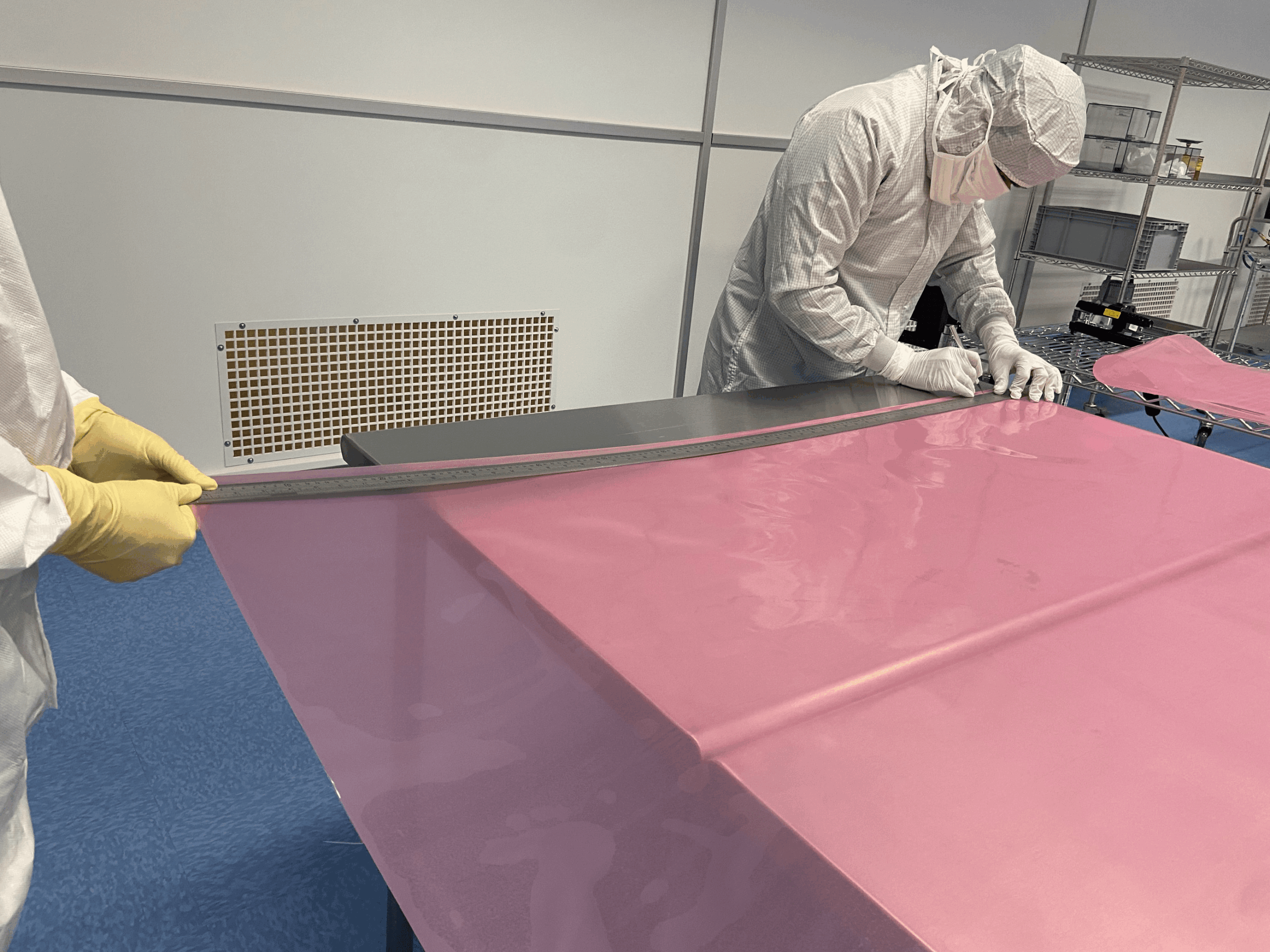
Moisture and corrosion risk are costly threats to your bottom line when shipping sensitive items like electronics components, server racks, and industrial equipment. While vapor barrier bags alone provide protection for long-haul shipping, they aren’t infallible, and should often be combined with other corrosion prevention measures to ensure adequate protection.
Adding desiccant to vapor bags is a crucial step for absorbing moisture and holding it in place. A drying agent that draws in moisture and stays dry to the touch, desiccant is effective for absorbing humidity from the air inside barrier bags as well as any moisture that could penetrate the bag during transit.
Another method for preventing corrosion is the use of vapor corrosion inhibitors (VCIs), substances that slowly release a corrosion-preventative compound into a sealed air space, protecting exposed metal surfaces. VCIs take the place of surface treatments or rust-preventative liquids in situations where it is impractical. A few types of VCIs include heat-sealed bags, heat-sealed shrinks, or coated paper. After the product is placed in a vapor barrier bag, it’s important to properly seal the vapor barrier by heat shrinking the packaging, vacuum sealing to create an airtight environment, or sealing the seams with heat or tape.
TransPak’s expertise in advanced crating, industrial packaging, and freight logistics allows us to provide custom solutions for diverse industries such as aerospace, tech, defense, semicon, and more. We are your one-stop shop for integrated packaging and logistics needs, effortlessly handling your key assets and ensuring they arrive in the same condition as they left.
With over 70 years of experience, we’ve supported companies across a wide range of industries, ensuring their products arrive securely, no matter the size, destination, or mode of transport.
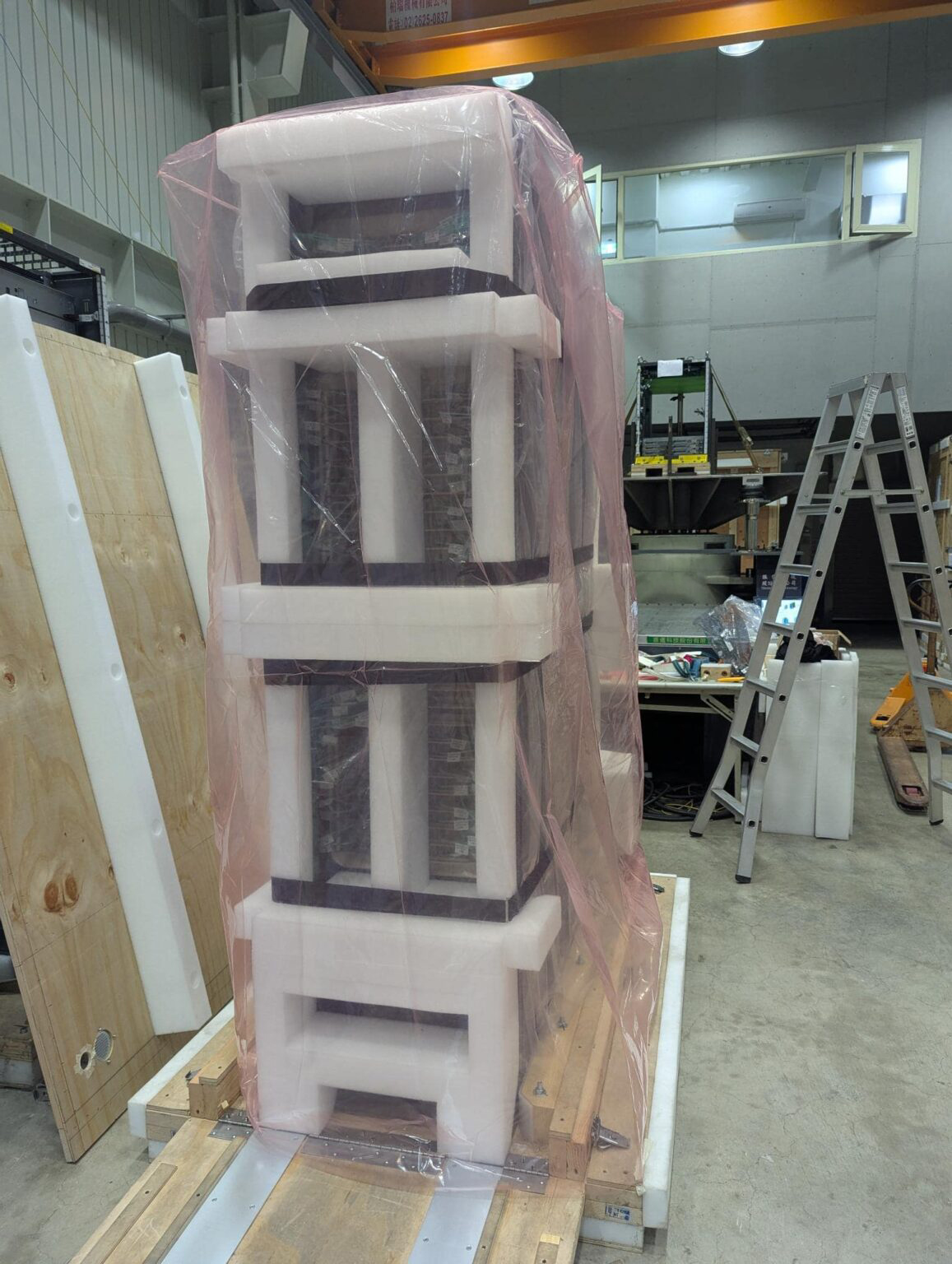
We’ve delivered export packaging, vapor barrier systems, and ISPM-15-compliant crating for countless customers. Some key industries we serve are:
Each customer receives custom solutions tailored to their unique product specs and destination conditions, and as a licensed customs broker, TransPak’s logistics team is well-versed in compliance. We offer full clearance and entry services regardless of the transportation mode. You’ll receive quality support that includes the development of your supply chain through proper compliance and consulting.
We and third parties use cookies, pixels, and web beacons to collect and share ainternet or other electronic network activity personal identifiers (such as IP addresses and device identifiers). These technologies help our website function, save your preferences, analyze how you use our site, personalize your experience, measure advertising performance, and show you relevant ads. Under some state privacy laws, our use of third-party cookies may count as a “sale” or “sharing” (i.e., targeted advertising). To manage your preferences for non-essential cookies, select Customize. If your browser sends an opt-out signal (like Global Privacy Control), we will honor it. For more details, see our Privacy Notice
TransPak Freight Tracking
We have completed our transition to a new freight tracking system CargoWise.
Please use the link below to access the new tracking page:
CargoWise Freight Tracking
For tracking questions, shipment support or system credentials please contact us at [email protected]
Thank you,
-TransPak Logistics Team